
How it works
Source first. Treatment next.
A clear sequence for the odor that remains after the cleaning and source work are done.
Describe the situation
From enquiry to return.
Describe the situation
Tell us what smells, where it happens and what has already been cleaned. Include your community.
Check readiness and scope
Discuss any remaining source work, the affected materials, access and the approach that may fit.
Agree before treatment
Confirm the scope, quote and requirements for the selected method, including any period of vacancy.
Follow the return instructions
Ventilation and re-entry depend on the method. Confirm those arrangements rather than assuming the space is ready when the visit ends.
Preparation earns its place.
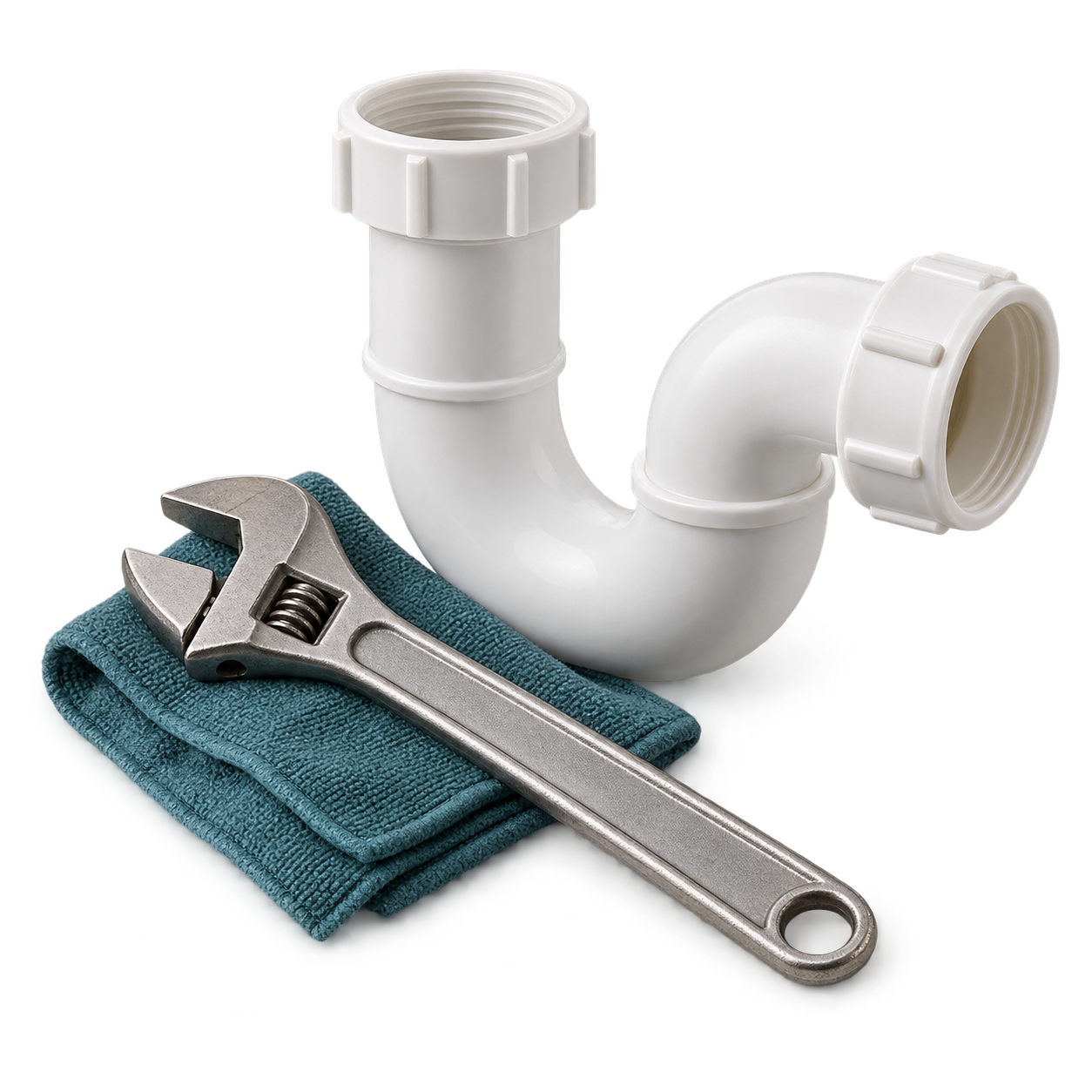
Finish the necessary cleaning, repairs or material work before treating the odor that remains.
What this service does not replace.
Cleaning, repairs, detailing, mold remediation, fire restoration and biohazard cleanup are separate jobs. If one of those is needed, it belongs earlier in the plan.
A few useful answers.
How long does treatment take?
There is no universal duration for every space and method. Discuss the visit, vacancy, ventilation and return window together.
Do you use the same method everywhere?
A method should be considered in relation to the source, materials and preparation. Ask which approach is proposed for your space and why.
Is one treatment guaranteed to work?
No blanket outcome is promised. The source, condition and preparation affect what can reasonably be expected.
What happens if preparation is unfinished?
Describe the outstanding work before arranging the visit so the sequence and scope can be reconsidered.
Start with what you know.
The space, odor and cleaning history help explain the situation.
Describe the situation